

Children are often more willing to try nutritious foods when meals feel inviting, familiar, and enjoyable. Colorful presentation, simple choices, and hands-on activities can all make a difference, especially when new foods are introduced without pressure.
For parents, schools, and childcare providers, learning how to make healthy eating fun for kids is less about turning every meal into entertainment and more about creating positive experiences around food. A calm approach can encourage curiosity, reduce resistance, and help children become more comfortable with a wider variety of flavors and textures over time.
WHY FUN AND FAMILIARITY MATTER
Children do not always accept a new food the first time they see it. Unfamiliar colors, textures, or smells can make them hesitant, even when the food is nutritious and appealing to adults.
Repeated, pressure-free exposure can help build comfort. A child may begin by looking at a food, touching it, or taking a small taste before deciding whether to eat more. Pairing an unfamiliar food with one a child already knows can make the new choice feel easier to approach.
The goal is not to turn every bite into a game. It is to create a relaxed setting where children can explore food at their own pace and gradually develop healthy eating habits. Familiar routines can also give children a sense of security at mealtime. When they recognize part of the meal or know they will not be pressured to eat, they may be more open to trying something different.
CREATIVE WAYS TO MAKE HEALTHY EATING FUN FOR KIDS Make Food Colorful and Appealing
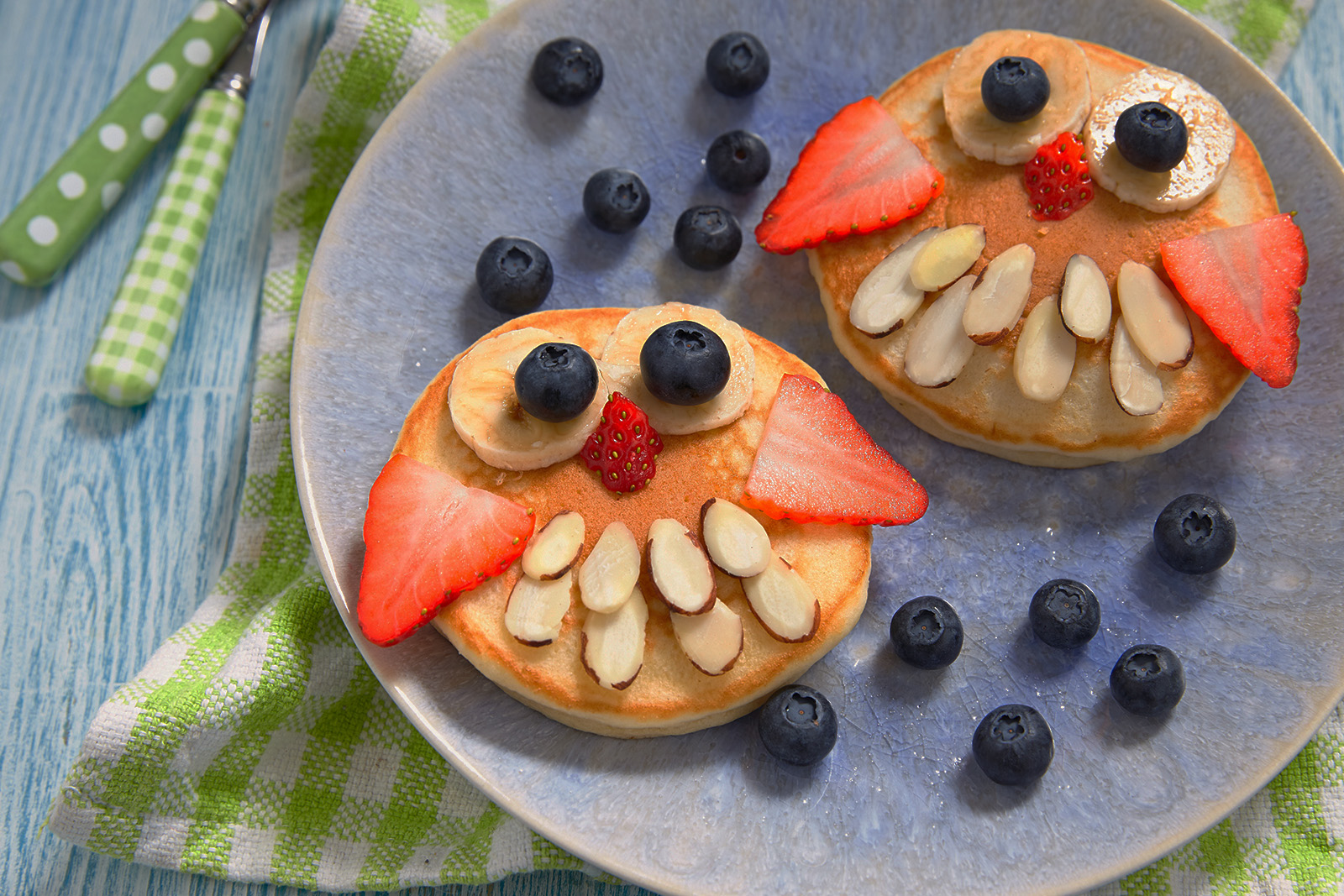
Children often notice how food looks before they decide whether to try it. Bright fruits and vegetables, simple patterns, or age-appropriate shapes can make everyday foods feel more inviting without requiring elaborate preparation.
Playful names can add another layer of interest, especially for younger children. Calling a vegetable by a fun, descriptive name or tying it to a familiar theme may make it feel more interesting, as long as the language sparks curiosity without suggesting that the food has special powers.
Give Children Simple Choices
Children are often more interested in a meal when they have some say in it. Offering two nutritious options can give children a sense of control without making them responsible for the entire meal. Adults still choose what is served, and children decide which option they are ready to try.
The choices don’t need to be complicated. A child might select between two fruits, choose a new vegetable, or decide which healthy topping to add. Small decisions can make mealtime feel more interactive while still keeping the focus on a balanced diet.
Introduce New Foods Gradually
A full serving of an unfamiliar food can seem overwhelming to a child. Offering a small portion alongside something they already enjoy makes the new item easier to approach and prevents the meal from becoming a test.
Acceptance often takes time. Children may need several chances to see, smell, touch, or taste a food before it becomes familiar. A relaxed approach allows curiosity to develop naturally, even when a child is not ready to take a bite right away.
Add Hands-On Food Activities
Children may become more curious about nutritious foods when they can interact with them in simple, age-appropriate ways. Taste tests, food-sorting activities, and supervised meal assembly can turn an unfamiliar ingredient into something worth exploring.
These activities don’t need to be elaborate. A classroom might compare the colors or textures of different fruits, while a childcare center could let children help build a simple snack. Small jobs, such as placing ingredients on a plate or helping pass out snacks, can give children a
greater sense of involvement. The goal is to invite participation and discovery, not to pressure children into eating.
Create Positive Mealtime Routines
A calm, predictable routine can make meals and snacks feel more comfortable. When children know what to expect, they may be more willing to focus on the food in front of them and try something new.
Adults can also shape the mood at the table. Teachers, caregivers, and parents who show openness to different foods provide a positive example without turning the meal into a lesson or a battle. Food should not be used as a reward or punishment, and children should be encouraged to notice when they feel hungry or full.
Reactions at the table matter, too. Praising a child for cleaning a plate or showing disappointment when food is left behind can create pressure, even when the intention is positive. Neutral encouragement, such as asking what a food smells or feels like, keeps the conversation focused on discovery. Children can participate without feeling that they must eat a certain amount to please an adult.
EXTEND THE EXPERIENCE BEYOND MEALTIME
Interest in nutritious food can continue outside the cafeteria or dining area. Simple classroom conversations about colors, textures, and where foods come from can help children connect what they eat with the world around them.
Gardening activities, kitchen tours, and age-appropriate food lessons can also make healthy eating feel more familiar. Schools and childcare providers can reinforce those experiences by sharing menus or simple talking points with families, giving parents an easy way to continue positive food conversations at home.
MAKING HEALTHY MEALS MORE ENGAGING WITH DELICIOUS UNLIMITED
Fresh food, thoughtful presentation, and kid-friendly menus can all influence how children respond at mealtime. For daycare centers, preschools, and grade schools throughout Northern Illinois, Delicious Unlimited provides made-from-scratch meals and snacks designed with young eaters in mind. The menus also follow CACFP and DCFS guidelines.
Nutrition education extends that commitment beyond the meal itself. Delicious offers access to an in-house registered dietitian, engaging presentations at client sites, and facility tours where children can see how meals are prepared and enjoy a healthy snack.
For schools and childcare providers, these meals and educational opportunities offer practical ways to make nutritious food feel welcoming, interesting, and appropriate for young children.